
The 2026 Annual Session of the Executive Board will open in a unique context, following the visit of His Holiness Pope Leo XIV on its eve– an occasion that highlights the global importance of WFP’s mission. Delegates will gather in Rome at a moment of transition and renewed strategic focus for the organization.
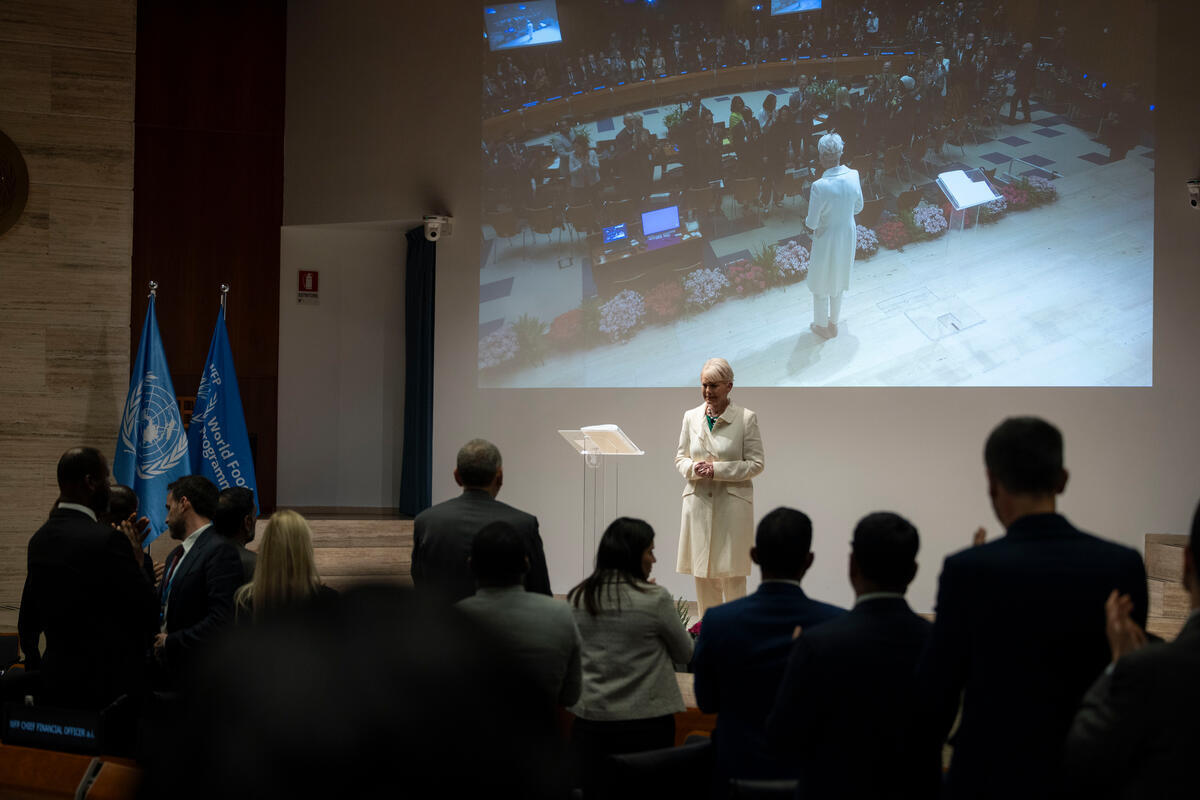
The annual session will mark the first Board session under the leadership of Carl Skau as Acting Executive Director, following the departure of former Executive Director Cindy McCain. It also coincides with a significant institutional milestone: the 30th anniversary of the establishment of the Executive Board in 1996, marking three decades of intergovernmental oversight, strategic guidance, and support for WFP.
A session anchored in oversight and accountability
As is customary, the annual session will focus on oversight and accountability, providing member states with a view of WFP’s performance, risks and results. The agenda will include the Annual Performance Report and financial reports, alongside key oversight reports and evaluations that inform strategic direction and strengthen transparency.
The annual session will also provide space for discussion on operational effectiveness and resource management, at a time when humanitarian needs remain high and funding constraints continue to shape priorities. Building on earlier Board sessions, discussions are expected to reinforce WFP’s focus on delivering impact where it matters most, by reaching the most vulnerable faster, scaling efficiency under constrained resources, and strengthening national systems and partnerships.
In addition, the Board will review a range of country strategic plans, receive updates on UNHAS and on food procurement, offering insights across diverse operational contexts.
Take a look at the agenda here.
Marking 30 years of the Executive Board
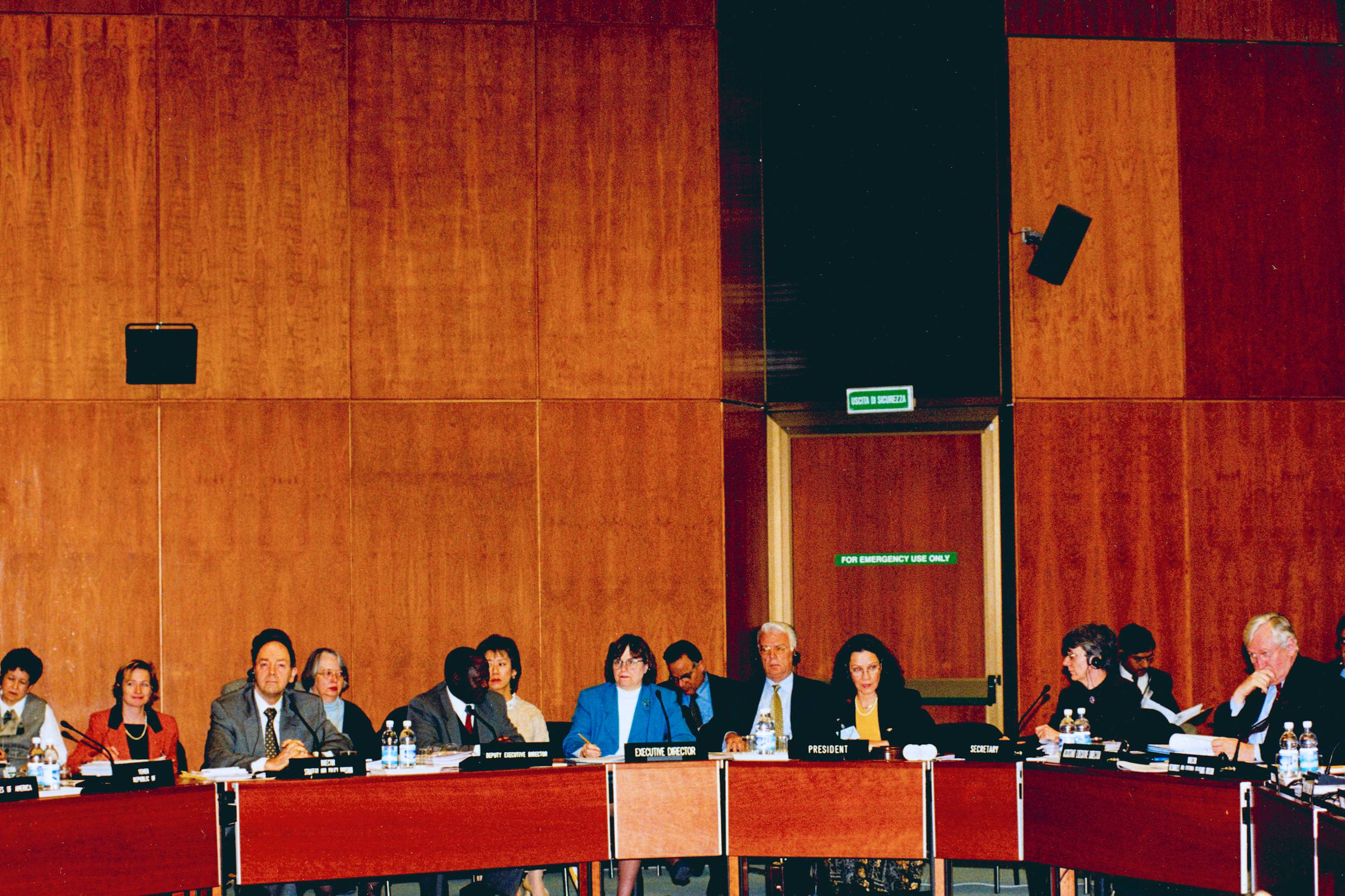
This year marks 30 years since the first Executive Board session in January 1996, when WFP transitioned from the former Committee on Food Aid Policies and Programmes (CFA) to a 36‑member governing body under UN reforms.
Over three decades, the Board has guided major transformations - including the shift from food aid to more tailored assistance such as cash and nutrition support, and the move from standalone projects to multi-year country strategic plans aligned with national priorities and supported by stronger oversight and results frameworks. Today, the Board continues to evolve its own working methods and priorities, continuing to support WFP in adapting to a rapidly changing humanitarian landscape.
Watch this short video that highlights the central role of the Executive Board in guiding WFP’s direction over the past 30 years.
Side events
Ensuring humanitarian access in fragile contexts: the critical role of UNHAS (24 June) will highlight how the United Nations Humanitarian Air Service enables operations in hard‑to‑reach environments. The discussion will explore both its operational value and the challenge of securing sustainable financing.
Saving lives and changing lives in Latin America and the Caribbean (25 June) will showcase how WFP works with governments in the region to strengthen resilience, disaster preparedness and social protection systems, with a focus on sharing best practices and lessons learned.
Exhibits
From crisis response to Zero Hunger: WFP and social protection (24 June) will illustrate how WFP supports governments to build national systems that reduce vulnerability and reliance on repeated emergency assistance. The exhibit emphasizes the scale of WFP’s work, with country offices supporting national systems reaching hundreds of millions of people.
Leading by example: strengthening leadership accountability and culture to prevent sexual misconduct will offer an interactive, immersive experience, using virtual reality to engage participants in realistic scenarios and reinforce accountability and safeguarding practices.
Executive Board session agenda and background documentation: https://executiveboard.wfp.org/meeting/1950.
As delegates gather in Rome, the 2026 annual session brings together reflection and transition, reaffirming the Executive Board’s role at the heart of WFP’s ability to deliver in an increasingly complex world.
Follow the proceedings via https://executiveboard.wfp.org/live.


